Author: intrepid_dev

  • Design Your Own Super Adventure

    Design Your Own Super Adventure

    A popular series of books originally published over a twenty-year period was the ‘Choose Your Own Adventure’ series. As the name suggested, the reader could actually decide what the characters did at key moments in the story. They could choose (to a certain extent) how the adventure played out and how the story ended.

    Many people treat their superannuation like the traditional story book, believing that their employer pays the contributions and someone else looks after the investments, and that’s how the story goes until the end of their working life.

    But the reality is that superannuation funds allow members a level of choice in relation to how the money is invested, which means it can be up to you to create what your retirement adventure might look like.

    What’s Available?

    The first step is to find out what investment options your super fund provides. There may be a couple of options, or there may be many. It all depends on the type of fund you are currently in or are looking to join. Once you know what’s available, you can match it to your personal requirements.

    The fund’s investment menu should show you where your money would be invested based on your selection. Typical characteristics of investment choices within super funds are:

    • Growth – aims for higher growth but accompanied by higher risk;
    • Balanced – aims for reasonable returns and more acceptable risk;
    • Conservative – focuses on lower risk which usually means lower returns;
    • Cash – aims to guarantee your capital but with little or no growth.

    If you don’t choose a super fund, your employer must pay your super into a fund that offers “MySuper” – a default fund that provides only two investment options which depend solely on your age. A default option may be a good strategy, but it is still best to compare it to others rather than accepting it blindly.

    What is Your style?

    There is also no single answer to determining which superannuation options are the best to invest in; there is no “one size fits all”.

    Obviously from time to time shares will perform the best, while at other times it will be more beneficial to have a higher investment in cash or fixed interest. In reality, for most people the right allocation will be somewhere in between. 

    What’s right for you will depend on your age and timeframe; your attitude to fluctuations; and the level of certainty you need to fund your own retirement.

    If you are close to retiring, think about how soon you want to access your super. On the other hand, if you won’t retire for 20 or more years and short-term share market fluctuations don’t bother you, then this will impact on your choice.

    When it comes to your journey before and after retirement, don’t be afraid to choose your own adventure! Contact us to help you enjoy it.  


  • What is Your Concept of Retirement?

    What is Your Concept of Retirement?

    The concept of retirement has changed dramatically over the generations but there remains one constant for most of us planning the end of our working life – to be able to do what we want, when we want. No more alarm clocks, no more commuting and no more demanding bosses! 

    But what do we want more of? Time on the golf course? Unrushed holidays exploring exotic locations? Those are just the basics, however if retirement is looming have you thought about what actually will happen when you stop working? Will you have those choices? 

    Here are a few points to consider; and it’s not just about money.

    Your Wealth

    When preparing to leave the workforce, some people focus so much on never having to face another stressful workday that they overlook many important issues. 

    The first and most obvious focus should be on the income needed to fund the retirement dream. 

    For many people, retirement will give them the first real block of time they have ever had completely to themselves to spend however they please. Some may want to travel, and others may have hobbies they want to immerse themselves. Others may choose to move closer to family or make a ‘sea’ or ‘tree’ change. Some may do all of these things! 

    To make the most of your retirement years, your nest egg must be large enough to allow you to live the life you desire. It would be a shame to have a boring and unfulfilled retirement because you discover too late that you don’t have the means to afford activities that your friends are enjoying.

    Your Health

    Secondly, many people plan for life beyond work assuming that they will remain healthy and vital. For the majority this will prove true, but sadly, others might not be as vigorous as they had hoped. 

    Illness in later years will mean facing additional pharmaceutical and medical expenses. You may incur extra costs from travelling with mobility issues, assuming travel is still manageable. Aged care can be costly, especially where high level care is required. 

    The key point to remember here is that while you are planning for your retirement in a financial sense, you also need to focus on your well-being now to ensure your mind, body and spirit are willing and able to fulfil your retirement hopes and dreams. Balancing both aspects is fundamental to achieving a rewarding lifestyle.

    Your Happiness

    But what is there to do if you find yourself getting bored with so much free time? Well, one option could be to return to the workforce, maybe on a part-time or casual basis. If approaching your former employer or business partner/s is not an option, try something different. Depending on your skillset, you may be able to start a micro-business. All you have to do is get creative when looking at your skills and abilities!

    If you are a retired teacher there are many opportunities, including working as a private tutor or providing after-school assistance, assisting sports teams, or even thesis proofreading for university students. 

    If accounting is your forte, use this skill to help small businesses manage their books. 

    Handy with tools and enjoy fixing things? You could find yourself in demand by those in your area who are working and have no time or skills to do odd jobs themselves. Place an advertisement on your local community board, online, or do a mailbox drop to get started.

    Or, what about volunteer vacationing – “voluntouring”? If you’d like a travel experience with a difference, combine it with volunteer work. Sharing your interests with others or using your skills in a new way could certainly enhance your post-work years.

    There is a plethora of websites that now focus on this latest interest. Just type “voluntourism” into your favourite search engine and be prepared to be amazed.

    Your Identity

    Many people identify themselves according to their job title or profession. For this reason, retirement can leave you feeling like a piece of you is missing. But retirement can be a terrific opportunity to give up that old identity and re-invent a new you. 

    You can be a grandparent, sports enthusiast, volunteer, book club president—the sky’s the limit!

    In many ways, re-inventing yourself as a retiree can be as challenging as being a success in your previous vocation. The key is to establish your priorities, set goals that work for you, and keep going until you reach them. Remember though to keep it fun. 

    Have you Planned Your First Step?

    If all this sounds exciting, don’t forget the first step is to get your retirement funding in order. Come and talk to us sooner rather than later. Once that is done, you can start looking forward to what should be the best years of your life.  


  • Taking Care of Business

    Taking Care of Business

    Owning a business has its distinct advantages. Choosing your work hours and being able to make decisions for your own future are just two, but this higher level of freedom takes a back seat when things go wrong… and as any business owner knows, things can and do go wrong just like in any other pursuit in life. 

    Smart business owners plan ahead for even the most unexpected threats but as times change, these threats come in different forms. We’ve highlighted a few in this article with suggestions on how to deal with them before they affect your hard-earned freedom.

    Protection Against Fraud

    Cybercrime has hit the world by storm. The most common being “ransomware” attacks whereby tech-savvy criminals access business computers to plant malicious programs that shut down entire systems until a ransom is paid. Governments around the world are fighting this battle on a daily basis. All have a key focus on educating people on what to do to protect themselves and what action to take if attacked. 

    With this increased awareness, many business owners are taking precautions to protect their systems from external attack, but what happens when the infiltrator comes from inside? 

    If you employ staff, don’t rely on glowing CVs. With so many former “star” employees now sitting in jail cells for committing fraud in the workplace, employee screening is now an integral part of the hiring process. Many independent services are available and cover everything from employment history checks through to full police checks. In addition, specialist insurance policies provide protection against “white collar crime”. Paying a little bit more for these services not only brings peace of mind but another level of freedom.

    Who Can You Rely On?

    It’s crucial that all business owners have appropriate personal and business insurance cover if they are unable to work due to illness or an accident, but that will only look after the financial costs – who will manage business operations if you can’t? 

    If you are the only person in your business (and over 60% of businesses in Australia – almost 1.5 million – do not employ staff), it is imperative to have all of your operations and procedures clearly documented. But it doesn’t stop there – if something happened to you, who would know where those documents are and how to access them? A wife or husband may have a general understanding of a business, but if they have to step into it on a full-time daily basis, will they know how it all works? Set aside some time to take them through your procedures and show them where key material is located. 

    If you don’t have a partner who can step in, ask a trusted friend or colleague if they could look after the basics to keep your business operating in the short term. Most importantly, make sure they know where your procedures and important documents are located now, not when you might be unable to tell them.

    Having a good contingency plan to cover your absence is vital – knowing that someone will be able to pick up the reins will mean the difference between keeping your business operating and having to close it down.

    Disaster Strikes!

    What would happen if a disaster – natural or man-made – struck your business? Would you be ready? How long would it take to get back on your feet? Would you fully recover? Here are four key areas to address to help maintain your freedom:

    1. A good business disaster recovery plan must be documented (not just in your head) and copies provided to all key personnel. Everyone should know what to do in the event…
    2. Business interruption insurance cover can cover major outlays such as setting up new premises or re-establishing computer equipment. 
    3. Traditional business insurance policies may not cover losses related to cyber-attacks and given the snowballing risks, Cyber Insurance is becoming another essential for business owners.
    4. Important original business documents such as mortgage papers, trust deeds, corporate registers, and signed agreements should be kept securely off-site, with scanned copies backed up in a separate location. 
    5. The Australian Cyber Security Centre (ACSC) reports that cybercriminals sometimes increased the ransomware price when they discovered a business did not have backups. All computer files should be backed up daily with a current copy located off-site. If you don’t have a separate location to store backed up files, install a fire-proof safe to protect them. 

    Having read this you might be thinking it’s all too hard, but just take one step at a time and talk to a professional adviser who can help you protect your business – and your freedom.


  • A Financial Firm with a Heart of Gold

    A Financial Firm with a Heart of Gold

    We’re honoured to be featured in B1G1’s business for good article. We deeply appreciate the recognition.


  • Career Highlight and a Win for Cancer Research

    Career Highlight and a Win for Cancer Research

    My story is about a deal that started in the most normal fashion but ended up becoming something very special.


  • Supporting Progress Worldwide

    Supporting Progress Worldwide

    PJ Patterson, joins the Elite Broker podcast to discuss the importance of community engagement.


  • MFAA’s 2019 Diversified Business – Keystone Financial

    MFAA’s 2019 Diversified Business – Keystone Financial

    MFAA congratulates Keystone Financial’s CEO PJ Patterson for winning the Excellence Awardon Diversified Business. This award celebrates the work of PJ and Keystone Financial fordelivering clients a diverse range of products and/or services.

    Best of the Best Recognised

    Brokers, lenders and aggregators have come together to celebrate outstandingprofessionalism, innovation, customer service and ethics at the MFAA State ExcellenceAwards NSW/ACT 2019. The best of the best were acknowledged at the Hilton Sydney on 2May, setting the tone for a mammoth awards season ahead.

    Winners include:

    Business Development Manager Award – Lender/Support Service Provider
    Denya Dean (Bluestone)

    Equipment Finance Broker Award
    Aaron Greffenius (Loan Market – Picton)

    Young Professional Award
    Russell Munfaredi (Mortgage Pros)

    Newcomer Award
    Cullen Haynes (Legal Home Loans)

    Business Development Manager Award – Aggregator
    David Vizza (Finsure Finance & Insurance)

    Residential Finance Broker Award
    Gary Owen (Mortgage Choice – Port Macquarie)

    Commercial Finance Broker Award
    Kevin Wheatley (Bayside Residential and Commercial Mortgages)

    Customer Service Award – Individual
    Louisa Sanghera (Zippy Financial Group)

    Community Champion Award
    Mhairi MacLeod (Astute Ability Group)

    Regional Finance Broker
    Michael Gavan (Innovative Finance)

    Loan Administrator Award
    Priscilla Tan (SF Mortgage Services)

    Finance Broker Business Award
    Mortgage Choice – Blaxland, Penrith & Glenmore Park

    Customer Service Award
    Business Equilibria Finance

    Diversified Business Award
    Keystone Financial

    Non-Major Lender Award
    Bankwest


  • Keystone Financial Wins MFAA Community Champion Award

    Keystone Financial Wins MFAA Community Champion Award

    After nominating PJ for his involvement with the Business for Good programme, the MFAApresented him with the Community Champion Award 2019/20 during an online presentation..

    Alongside his full-time financial planning business, PJ has visited and donated to a numberof charities across South East Asia and Africa.

    Pj has embraced the advocacies of the 17 sustainable goals of the United Nations. Throughthe help of B1G1 he has consistently supported different life changing projects such as;providing clean water, helping orphans go to school and providing sustainable incomedevelopment for underprivileged women. PJ has been warmly received and welcomed bythe B1G1 community due to his infectious personality and his natural ability in makingeveryone feel special and valued.


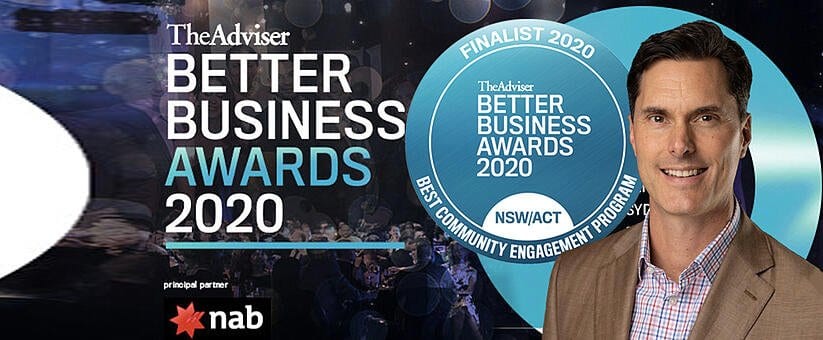
  • Nominated for Best Community Engagement Program

    Nominated for Best Community Engagement Program

    Falling in love is a magical and wondrous experience, but once the heart flutters have settled a little and two people move towards a more serious relationship, various challenges may need to be addressed. Many of these challenges can be easily resolved when we’re young and carefree, but what happens when Cupid appears – or reappears – later in life? 

    Unlike earlier relationships, when love blossoms late in life careers have slowed down or ceased, the children have left home, and health and fitness may not be what it had been, meaning that a ‘lifetime’ of togetherness may not be as long as first anticipated.

    From a less romantic perspective, the financial implications of beginning a relationship at this time of life are serious and need to be considered carefully. In many circumstances, the couple’s children are adults whose voices want to be heard, particularly in relation to matters of the will. Parents who re-partner without considering the broader families and important people who took part in their life journey are at risk of unknowingly creating negative repercussions. For example, ‘new’ partners who pass on their estates only to each other, leaving at least one of the couples’ children with nothing while the other partner’s children inherit all, can cause long-term hurt and pain. In many cases, this act may not be intentional.

    Another financial aspect unique to this stage of life emerges when there is a high level of financial disparity between the two partners. While one partner has accumulated a lot of wealth, the other may have not. Questions are then raised in regard to how finances are distributed between the couple while they are alive and after one or both die.

    Other implications can relate to health issues. They include questions such as who would be the primary carer for a sick partner? The sick partner’s children, or the new spouse? What are the role divisions between the children, other family members and the spouse?

    Take Advice and Make Plan

    Whilst every situation will be different, here are some guidelines for addressing the unique features of financial planning in later life. In particular, emphasis is given to the inter-generational and multi-stakeholder aspects of this relationship.

    1: Involve everyone long before the will is read

    For many years it was customary to not involve children and other relevant stakeholders in formulating a Will. History books are filled with disputes and hurt feelings over Wills that were read leaving the beneficiaries astonished and devastated over the deceased’s final decisions. Don’t wait until it is too late. Financial matters that can have serious impacts on the future lives of your loved ones need to be discussed well in advance with all relevant stakeholders. Preferably before your Will is signed and sealed. 

    2: Plan for the present with a view to the future

    New relationships require new financial arrangements. For example, if buying a property together, what are the consequences of sharing a dwelling?

    Below are some examples:

    A. When purchasing property consider the estate planning implications

    When couples decide to purchase a property jointly it has immediate consequences for the beneficiaries of the couple following the death of a partner. This issue can be addressed by registering the property owners as “tenants-in-common”, ensuring that the deceased’s beneficiaries will inherit their appropriate share of the property. Couples may give themselves a “life interest” in the property to allow each to remain living there after their partner’s death. The implication of this for the beneficiaries is that they will only be allowed to receive their inheritance after both partners have died. 

    B. Potential age pension changes

    An age pension payment will change as a consequence of living together. This can occur when one partner is still working and the other is retired and receiving the pension; or both partners have previously been eligible for a single pension. The difference between the age pensions for a single person is $952.70 per fortnight compared to $1,436.20 as a combined couple – $483.50 less per fortnight.

    Case study: Moving In Together

    Brian and Elizabeth recently moved in together. Brian is semi-retired and received a part-age pension from Centrelink. Elizabeth is still working full-time and earning a salary. When Brian informed Centrelink of his new living arrangement he had to provide detailed information about Elizabeth’s financial circumstances. Based on their combined assets and income, Centrelink assessed that Brian was no longer eligible for any pension, and his payments stopped. As the Centrelink assessment was completed weeks after he had moved in with Elizabeth, Brian had to repay Centrelink the overpaid pension amount. 

    C. Superannuation beneficiaries need to be reviewed

    If new partners are members of a superannuation fund they need to review their instructions regarding which beneficiaries receive a death benefit. For example, if a couple has specified a “non-binding” nomination for their beneficiaries, this will be invalid now that they have partnered. This is a complex area of estate planning that requires personalised advice.

    3: Design financial agreements suited to the partners’ financial circumstances

    A happy relationship is a transparent one, particularly when it comes to money. A good start is to draw up a personal “balance sheet” listing the values of all assets each person owns (eg. property, superannuation, car, bank accounts, etc). All debts and liabilities, such as an outstanding mortgage, personal loans and credit card balances, should also be included. 

    After both partners are aware of the other’s current financial situation, and if appropriate, a “Binding Financial Agreement” could be considered. This is a legal document that sets out how their property and assets would be divided were they to separate. This is particularly appropriate when there is a high level of financial disparity between partners.

    4: Plan health care prudently

    Growing old together involves increasing health costs and risks of illness. It is recommended that the partners review their health insurances and redesign them to fit the new life arrangements. Redesigning may also reduce premium costs. 

    Health care plans need to involve relevant family members who may wish to take part in managing care at times of need. Planning in advance could reduce future friction between the cared one’s family and the new spouse regarding treatment strategies and expenses.

    Planning and preparing financially should by no means lessen the excitement of a new love experience, but when addressed properly will allow the newly formed relationship to be a source of growth for the couple and their loved ones, in the present, and into the future.

    It is recommended to discuss these matters with an estate planning lawyer and your financial planner sooner rather than later.



  • When Love Blossoms Later in Life

    When Love Blossoms Later in Life

    Falling in love is a magical and wondrous experience, but once the heart flutters have settled a little and two people move towards a more serious relationship, various challenges may need to be addressed. Many of these challenges can be easily resolved when we’re young and carefree, but what happens when Cupid appears – or reappears – later in life? 

    Unlike earlier relationships, when love blossoms late in life careers have slowed down or ceased, the children have left home, and health and fitness may not be what it had been, meaning that a ‘lifetime’ of togetherness may not be as long as first anticipated.

    From a less romantic perspective, the financial implications of beginning a relationship at this time of life are serious and need to be considered carefully. In many circumstances, the couple’s children are adults whose voices want to be heard, particularly in relation to matters of the will. Parents who re-partner without considering the broader families and important people who took part in their life journey are at risk of unknowingly creating negative repercussions. For example, ‘new’ partners who pass on their estates only to each other, leaving at least one of the couples’ children with nothing while the other partner’s children inherit all, can cause long-term hurt and pain. In many cases, this act may not be intentional.

    Another financial aspect unique to this stage of life emerges when there is a high level of financial disparity between the two partners. While one partner has accumulated a lot of wealth, the other may have not. Questions are then raised in regard to how finances are distributed between the couple while they are alive and after one or both die.

    Other implications can relate to health issues. They include questions such as who would be the primary carer for a sick partner? The sick partner’s children, or the new spouse? What are the role divisions between the children, other family members and the spouse?

    Take Advice and Make Plan

    Whilst every situation will be different, here are some guidelines for addressing the unique features of financial planning in later life. In particular, emphasis is given to the inter-generational and multi-stakeholder aspects of this relationship.

    1: Involve everyone long before the will is read

    For many years it was customary to not involve children and other relevant stakeholders in formulating a Will. History books are filled with disputes and hurt feelings over Wills that were read leaving the beneficiaries astonished and devastated over the deceased’s final decisions. Don’t wait until it is too late. Financial matters that can have serious impacts on the future lives of your loved ones need to be discussed well in advance with all relevant stakeholders. Preferably before your Will is signed and sealed. 

    2: Plan for the present with a view to the future

    New relationships require new financial arrangements. For example, if buying a property together, what are the consequences of sharing a dwelling?

    Below are some examples:

    A. When purchasing property consider the estate planning implications

    When couples decide to purchase a property jointly it has immediate consequences for the beneficiaries of the couple following the death of a partner. This issue can be addressed by registering the property owners as “tenants-in-common”, ensuring that the deceased’s beneficiaries will inherit their appropriate share of the property. Couples may give themselves a “life interest” in the property to allow each to remain living there after their partner’s death. The implication of this for the beneficiaries is that they will only be allowed to receive their inheritance after both partners have died. 

    B. Potential age pension changes

    An age pension payment will change as a consequence of living together. This can occur when one partner is still working and the other is retired and receiving the pension; or both partners have previously been eligible for a single pension. The difference between the age pensions for a single person is $952.70 per fortnight compared to $1,436.20 as a combined couple – $483.50 less per fortnight.

    Case study: Moving In Together

    Brian and Elizabeth recently moved in together. Brian is semi-retired and received a part-age pension from Centrelink. Elizabeth is still working full-time and earning a salary. When Brian informed Centrelink of his new living arrangement he had to provide detailed information about Elizabeth’s financial circumstances. Based on their combined assets and income, Centrelink assessed that Brian was no longer eligible for any pension, and his payments stopped. As the Centrelink assessment was completed weeks after he had moved in with Elizabeth, Brian had to repay Centrelink the overpaid pension amount. 

    C. Superannuation beneficiaries need to be reviewed

    If new partners are members of a superannuation fund they need to review their instructions regarding which beneficiaries receive a death benefit. For example, if a couple has specified a “non-binding” nomination for their beneficiaries, this will be invalid now that they have partnered. This is a complex area of estate planning that requires personalised advice.

    3: Design financial agreements suited to the partners’ financial circumstances

    A happy relationship is a transparent one, particularly when it comes to money. A good start is to draw up a personal “balance sheet” listing the values of all assets each person owns (eg. property, superannuation, car, bank accounts, etc). All debts and liabilities, such as an outstanding mortgage, personal loans and credit card balances, should also be included. 

    After both partners are aware of the other’s current financial situation, and if appropriate, a “Binding Financial Agreement” could be considered. This is a legal document that sets out how their property and assets would be divided were they to separate. This is particularly appropriate when there is a high level of financial disparity between partners.

    4: Plan health care prudently

    Growing old together involves increasing health costs and risks of illness. It is recommended that the partners review their health insurances and redesign them to fit the new life arrangements. Redesigning may also reduce premium costs. 

    Health care plans need to involve relevant family members who may wish to take part in managing care at times of need. Planning in advance could reduce future friction between the cared one’s family and the new spouse regarding treatment strategies and expenses.

    Planning and preparing financially should by no means lessen the excitement of a new love experience, but when addressed properly will allow the newly formed relationship to be a source of growth for the couple and their loved ones, in the present, and into the future.

    It is recommended to discuss these matters with an estate planning lawyer and your financial planner sooner rather than later.